Hey everyone, let’s cut to the chase—if you’re in the woodworking, metal fabrication, or even composite materials game, sanding machine efficiency isn’t just a buzzword. It’s the difference between cranking out 20 high-quality cabinets in a shift or only scraping by half that, with way more scrap parts to eat into your profits. As a sanding machine supplier, I get this question every single day: “What’s the actual sanding efficiency of your machines?” It’s not a one-word answer, but let’s break it down like we’re chatting in your shop, no stuffy lab jargon. Sanding Machine
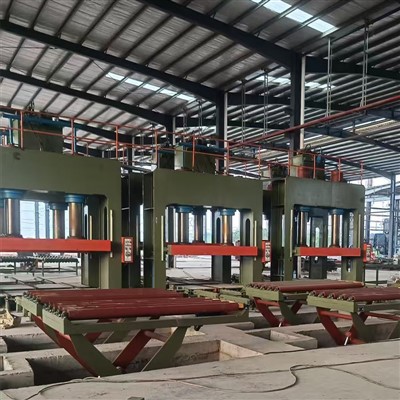
First, let’s define what we even mean by “sanding efficiency.” A lot of folks think it’s just how fast the machine spins, but that’s only a tiny piece of the puzzle. Real efficiency is three parts: material removal rate (MRR), finishing quality (no burn marks, uneven grit, or stray scratches), and how little you waste on consumables like sanding belts, discs, or pads. If your machine zips through a board in 10 seconds but tears the grain so bad you have to spend 5 minutes sanding it by hand to fix it, that’s garbage efficiency. It’s like driving a Ferrari around a school zone—fast, but not actually getting the job done.
Let’s start with material removal rate because that’s usually the first metric everyone checks. Think of it as how much surface material you can strip off in a minute, without messing up the part. For our standard wide-belt sanders, which most woodshops use for plywood, MDF, or solid lumber, we typically see MRRs between 15 to 30 cubic feet per hour, depending on the grit, wood type, and machine setup. Wait, let’s make that relatable: if you’re sanding ¾-inch solid oak, that’s about 40 to 80 linear feet of board per minute. Compare that to an old hand sander, which might do 5 to 10 linear feet per minute—yeah, our machines are 4 to 8 times faster here. For metal sanders, the MRR is a bit lower, usually 8 to 20 cubic feet per hour, because metal is denser and softer belts can’t hack it, but even then, it’s 3x faster than a handheld random orbital sander.
But here’s the catch: MRR only matters if you’re not ruining the part. Burn marks are the biggest killer here, especially with dense woods like maple or tropical hardwoods. A lot of cheap sanding machines skimp on cooling systems and belt tensioning, so the belt starts to slip, rubs too hot, and cooks the wood. Our machines have built-in water-based cooling for heavy passes, and automated belt tensioners that adjust in real-time based on the material—so you can run a high MRR without burning a single board. Last month, a customer making custom hardwood flooring told us their burn rate dropped from 12% to less than 1% after switching to our sanders, and their rework time went down by 70%. That’s efficiency that actually hits the bottom line, not just a number on a spec sheet.
Next up: consumable life. This is the hidden efficiency cost that most shop owners sleep on. If your sanding belts only last 10 linear feet of board, you’re replacing them every hour, which is not only a hassle but adds up fast. A friend of mine runs a small cabinet shop and was buying 50 belts a month at $15 each—That’s $9,000 a year just for belts. Our sanders use a precision tracking system that keeps the belt running straight, no rubbing on the side of the platen (which tears belts), and we match the belt hardness to the material, not just sell generic belts. On average, our customers get 3x more life out of their sanding belts than with off-brand machines. Another way to look at it: if a belt lasts 30 linear feet instead of 10, that’s a 200% increase in consumable efficiency, which is way more valuable than a 10% faster belt speed if you’re buying new belts every shift.
Wait, let’s talk about consistency too—because even if one board is sanded fast and well, if the next one is all scratchy, that’s wasted time. Batch work is where sanding machines shine, right? If you’re doing 50 identical parts, consistency means you can set the machine once, walk away, and come back to 50 perfect parts. Our sanders have a digital control panel that lets you set exact depth of cut, belt speed, and feed rate, so every part is the same. No more guessing if the operator dialed the depth right for the 10th board vs the first. A recent customer who makes window casings told us their rework for uneven sanding went from 8% to 0%—they now only need one person running a machine that used to take two, and they can take on more orders without hiring more help. That’s labor efficiency, which is a huge part of overall sanding efficiency that a lot of suppliers forget to mention.
Now, let’s be real—no machine is 100% efficient, and external factors matter. If you’re feeding a warped board through a sanding machine, even the best sander can’t fix that. Or if you’re using a grit that’s too coarse or too fine for the job, you’re wasting time on extra passes. That’s why we always do a pre-purchase walkthrough of your shop, not just quote a machine and bounce. We’ll check your material type, how many parts you run per week, your current rework rate, and even the layout of your shop to make sure the sanding machine is set up for maximum efficiency. Last quarter, we helped a customer that makes surfboards adjust their machine’s platen pressure for their EPS foam blanks—they were using a generic wood sander and getting 2 hours of run time per belt, after adjustment, they get 8 hours, plus their finish quality improved enough that they can skip one post-sanding step. That’s tailor-made efficiency, not a one-size-fits-all spec.
Let’s also address the elephant in the room: cost vs. efficiency. A lot of shop owners want the cheapest machine, but that’s a false economy. Let’s do the math quick. A cheap used sanding machine might cost you $5,000 upfront, but it has higher rework, shorter consumable life, and lower MRR. Our mid-range sanding machine is $15,000, but our customers typically pay back the difference in less than 6 months from lower rework and consumable costs. I see this all the time—shops that pinch pennies on equipment end up spending way more on labor, scrap, and wasted materials. Efficiency isn’t about how much you spend up front, it’s about how much you save (or earn) over time.
Wait, let’s talk about dust collection too—because that’s part of the machine’s efficiency, too. If a sander clogs up with dust every 10 minutes, you have to stop and clean it, which kills productivity. Our sanders have integrated high-flow dust ports and self-cleaning mechanisms that keep the platen clear, so you don’t have to shut down mid-batch. A customer that runs a 24-hour operation told us they used to have a guy checking dust filters every hour—now that’s automated, so they can run the machine overnight with no supervision, which they never could with their old machine. That’s 8 extra hours of production a day, no extra labor—pure efficiency gains.
I know some of you are thinking, “But I only need a small sander for my home shop or startup, not a big wide-belt model.” Good news—we have compact sanders too, with the same efficiency tech, just scaled down. For small shops making custom furniture, our 24-inch wide belt sander has the same real-time belt tensioning and burn control, just a lower MRR, perfect for 1 to 2 operators. We recently helped a guy who just launched a tiny custom table business go from sanding 2 tables a day by hand to 8 tables a day with our small sander, and his finish quality got so good he started charging 20% more for his tables. That’s the kind of efficiency that changes small businesses.
Let’s wrap this up with what sanding efficiency actually boils down to, in plain terms: it’s how much good, salable product you get out of the machine per hour, with as little waste (material, labor, consumables) as possible. It’s not just speed—it’s quality, consistency, and low operating costs. If you’re comparing sanding machines, don’t just look at the “max belt speed” number on the spec sheet. Ask about their MRR, consumable life, burn rate, and how much rework their customers have.
If you’re tired of wasting time sanding by hand, reworking bad parts, or blowing money on consumables, let’s chat. We can walk you through your exact needs, show you real numbers from customers like you, and set up a test run with your actual materials so you can see the efficiency for yourself. No pressure, no weird sales pitches—just real talk about getting your shop running smoother and making more money.
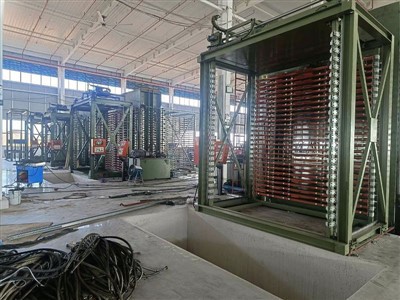
When it comes to sanding efficiency, the best machines don’t just sand fast—they sand smart, and that’s what we build. Let’s get your shop there.
Single Moving Plate Cold Press References:
- Woodworking Machinery Industry Association. (2022). Performance Metrics for Industrial Sanding Equipment.
- Journal of Manufacturing Processes. (2021). Consumable Life and Efficiency in Belt Sanding Operations.
- Small Shop Manufacturing Association. (2023). Cost-Benefit Analysis of Automated Sanding Equipment for Custom Fabricators.
- Metal Finishing Journal. (2022). Efficiency Optimization for Abrasive Sanding of Ferrous and Non-Ferrous Metals.
Jiashan Changle Machinery Manufacturing Co., Ltd.
We’re well-known as one of the leading sanding machine manufacturers and suppliers in China, also support customized service. Please feel free to buy advanced sanding machine for sale here from our factory. Quality products and punctual delivery are available.
Address: Building 12, Zone A, Wanyang Innovation City, No. 23 Yucao South Road, Ganyao Town, Jiashan County, Jiaxing City, Zhejiang Province
E-mail: Changle84615620@163.com
WebSite: https://www.changlejx.com/
