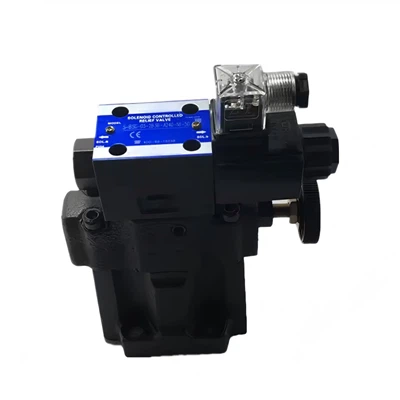
Hey there! I’m a supplier of pipe-making machinery spare parts. Over the years, I’ve dealt with all sorts of issues that can crop up with these parts. In this blog, I’ll share some tips on how to troubleshoot problems with pipe-making machinery spare parts. Pipe-making Machinery Spare Parts
Common Problems and Their Symptoms
Let’s start by looking at some of the most common problems you might encounter with pipe-making machinery spare parts and their symptoms.
1. Wear and Tear
Wear and tear is a natural part of using any machinery. In pipe-making machinery, parts like cutting blades, rollers, and dies are particularly prone to wear. The symptoms of wear and tear can include:
- Poor quality pipes: If the cutting blades are worn, the pipes may have rough edges or uneven cuts. Worn rollers can cause the pipes to have a non-uniform diameter.
- Increased noise: As parts wear, they can start to make more noise during operation. This could be a sign that the bearings are worn or that there is excessive friction between moving parts.
- Reduced efficiency: Worn parts can slow down the production process. For example, a worn die may require more force to shape the pipe, which can lead to longer cycle times.
2. Clogging
Clogging can occur in various parts of the pipe-making machinery, such as the extruder, the cooling system, or the filtration system. The symptoms of clogging include:
- Reduced flow: If the extruder is clogged, the flow of plastic material into the die will be reduced, resulting in thinner or incomplete pipes.
- Overheating: A clogged cooling system can cause the machinery to overheat, which can damage the parts and reduce the lifespan of the equipment.
- Pressure build-up: Clogging in the filtration system can lead to a build-up of pressure, which can cause leaks or even damage the machinery.
3. Misalignment
Misalignment of parts can cause a range of problems in pipe-making machinery. This can happen due to improper installation, vibration, or wear. The symptoms of misalignment include:
- Uneven pipes: Misaligned rollers or dies can cause the pipes to be unevenly shaped or have a non-uniform wall thickness.
- Excessive wear: Misaligned parts can cause excessive wear on other components, leading to premature failure.
- Difficulty in operation: Misalignment can make the machinery difficult to operate, as it may require more force to move the parts or may cause the pipes to jam.
Troubleshooting Steps
Now that we’ve identified some of the common problems and their symptoms, let’s look at the steps you can take to troubleshoot these issues.
1. Visual Inspection
The first step in troubleshooting any problem is to conduct a visual inspection of the machinery. Look for signs of wear, damage, or misalignment. Check the parts for any cracks, chips, or signs of corrosion. Make sure that all the connections are tight and that there are no loose parts.
For example, if you suspect that the cutting blades are worn, remove them from the machinery and examine them closely. Look for signs of dullness or chipping. If the blades are worn, they will need to be replaced.
2. Check the Operating Parameters
Next, check the operating parameters of the machinery. Make sure that the temperature, pressure, and speed settings are correct. Incorrect operating parameters can cause a range of problems, such as poor quality pipes, overheating, or reduced efficiency.
For example, if the extruder is overheating, check the temperature settings. Make sure that the heating elements are working properly and that the cooling system is functioning correctly. If the temperature is too high, reduce the setting and monitor the temperature to see if it stabilizes.
3. Clean the Parts
If you suspect that clogging is the problem, clean the affected parts. Use a suitable cleaning agent to remove any dirt, debris, or plastic residue. Make sure to follow the manufacturer’s instructions when cleaning the parts.
For example, if the filtration system is clogged, remove the filter and clean it. If the filter is damaged, replace it with a new one. Make sure to also clean the housing and the pipes connected to the filtration system.
4. Realign the Parts
If misalignment is the issue, realign the parts. Use a straightedge or a laser alignment tool to ensure that the parts are properly aligned. Make sure to tighten all the bolts and screws after realigning the parts.
For example, if the rollers are misaligned, loosen the bolts holding them in place and adjust their position. Use a straightedge to ensure that the rollers are parallel to each other. Once the rollers are properly aligned, tighten the bolts.
5. Replace the Worn Parts
If the parts are worn beyond repair, replace them with new ones. Make sure to use high-quality spare parts that are compatible with your machinery. Using low-quality parts can cause further problems and may even damage the machinery.
For example, if the cutting blades are worn, replace them with new blades. Make sure to choose blades that are the correct size and shape for your machinery. When installing the new blades, follow the manufacturer’s instructions carefully.
Preventive Maintenance
In addition to troubleshooting problems, it’s also important to perform preventive maintenance on your pipe-making machinery. This can help to prevent problems from occurring in the first place and can extend the lifespan of the equipment.
1. Regular Cleaning
Regularly clean the machinery to remove any dirt, debris, or plastic residue. This can help to prevent clogging and reduce the wear and tear on the parts. Make sure to clean all the components, including the extruder, the cooling system, and the filtration system.
2. Lubrication
Lubricate the moving parts of the machinery regularly to reduce friction and wear. Use a suitable lubricant that is recommended by the manufacturer. Make sure to apply the lubricant in the correct amount and at the correct intervals.
3. Inspection and Testing
Regularly inspect the machinery for signs of wear, damage, or misalignment. Perform tests to ensure that the machinery is operating correctly. This can help to identify any potential problems before they become serious.
4. Training
Make sure that your operators are properly trained to use the machinery. Provide them with the necessary training on how to operate the machinery safely and efficiently. This can help to prevent operator error and reduce the risk of problems occurring.
Conclusion
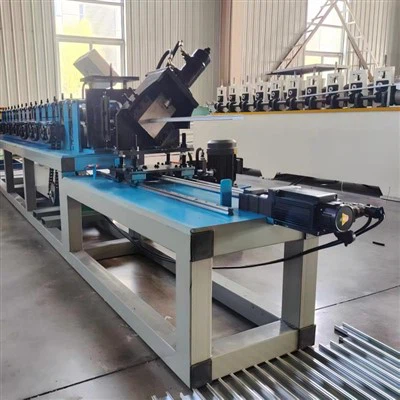
Troubleshooting problems with pipe-making machinery spare parts can be a challenging task, but by following the steps outlined in this blog, you can identify and resolve the issues quickly and effectively. Remember to perform regular preventive maintenance on your machinery to keep it in good working condition.
Pipe-making Machinery Spare Parts If you’re experiencing problems with your pipe-making machinery spare parts or if you’re looking for high-quality spare parts for your equipment, don’t hesitate to get in touch with me. I’m here to help you find the right solutions for your needs.
References
- "Pipe Making Machinery Handbook" – A comprehensive guide to pipe-making machinery and its operation.
- Manufacturer’s manuals for pipe-making machinery – These manuals provide detailed information on the operation, maintenance, and troubleshooting of the machinery.
- Industry publications and forums – These resources can provide valuable insights and advice from other professionals in the pipe-making industry.
Tianjin Binhai Yashanway Import and Export Co., Ltd.
Tianjin Binhai Yashanway Import and Export Co., Ltd. is one of the most reliable pipe-making machinery spare parts manufacturers and suppliers in China, also supports customized service with low price. Welcome to wholesale bulk pipe-making machinery spare parts made in China here from our factory. Contact us for quotation.
Address: B-508, Xiangnian Plaza, Dongjiang Road, Hexi District, Tianjin, China
E-mail: crystal@yashanway.com
WebSite: https://www.yashanway.com/
