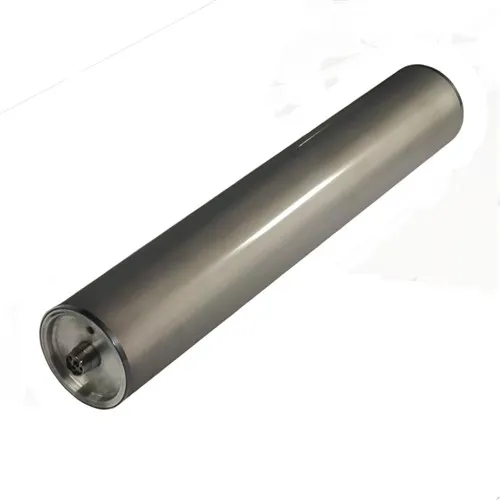
Rollers are essential components in various industrial processes, from printing and packaging to manufacturing and material handling. Over time, these rollers accumulate dirt, debris, and contaminants that can affect their performance and lifespan. Ultrasonic cleaning machines have emerged as a highly effective solution for cleaning rollers, especially those with different surface coatings. As a supplier of ultrasonic cleaning machines for rollers, I have witnessed firsthand the benefits of this technology and the importance of proper cleaning techniques. In this blog post, I will share some insights on how to clean rollers with different surface coatings in an ultrasonic cleaning machine. Ultrasonic Cleaning Machine For Rollers
Understanding Ultrasonic Cleaning Technology
Before delving into the specific cleaning methods for rollers with different surface coatings, it is essential to understand how ultrasonic cleaning machines work. Ultrasonic cleaning relies on the principle of cavitation, which is the formation, growth, and implosion of tiny bubbles in a liquid. When an ultrasonic transducer is immersed in a cleaning solution and energized, it generates high-frequency sound waves that create pressure variations in the liquid. These pressure variations cause the formation of microscopic bubbles, which grow and collapse rapidly, producing intense shockwaves. The shockwaves dislodge dirt, grease, and other contaminants from the surface of the object being cleaned, effectively removing them without causing damage.
Factors to Consider Before Cleaning
Before cleaning rollers with different surface coatings in an ultrasonic cleaning machine, several factors need to be considered to ensure the effectiveness and safety of the cleaning process.
- Surface Coating Type: Different surface coatings have different chemical compositions and properties, which can affect their compatibility with the cleaning solution and the ultrasonic cleaning process. For example, some coatings may be sensitive to certain chemicals or high temperatures, while others may require a specific cleaning solution to remove contaminants effectively.
- Contaminant Type: The type of contaminants on the rollers also plays a crucial role in determining the appropriate cleaning method. Common contaminants include dirt, grease, oil, ink, and adhesive residues. Each type of contaminant may require a different cleaning solution or approach to achieve optimal results.
- Roller Material: The material of the roller itself can also influence the cleaning process. Some materials, such as aluminum or plastic, may be more delicate and require a gentler cleaning approach to avoid damage.
- Cleaning Solution: Choosing the right cleaning solution is essential for effective and safe cleaning. The cleaning solution should be compatible with the surface coating and the contaminants, as well as the ultrasonic cleaning machine. It is recommended to consult the manufacturer’s guidelines or a professional cleaning expert to select the appropriate cleaning solution.
Cleaning Methods for Different Surface Coatings
Now that we have a better understanding of the factors to consider, let’s explore the specific cleaning methods for rollers with different surface coatings.
Rubber-Coated Rollers
Rubber-coated rollers are commonly used in printing, packaging, and material handling applications. They are prone to accumulating dirt, ink, and adhesive residues, which can affect their performance and print quality. To clean rubber-coated rollers in an ultrasonic cleaning machine, follow these steps:
- Pre-Cleaning: Before placing the rollers in the ultrasonic cleaning machine, remove any loose dirt or debris from the surface using a soft brush or cloth. This will help prevent the contaminants from spreading in the cleaning solution.
- Select the Right Cleaning Solution: Choose a cleaning solution that is specifically formulated for rubber surfaces. Avoid using harsh chemicals or solvents that may damage the rubber coating. A mild detergent or a specialized rubber cleaner is usually sufficient.
- Fill the Ultrasonic Cleaning Tank: Fill the ultrasonic cleaning tank with the appropriate amount of cleaning solution, following the manufacturer’s instructions. Make sure the rollers are fully submerged in the solution.
- Set the Cleaning Parameters: Adjust the ultrasonic cleaning machine’s settings, such as the temperature, time, and power level, according to the manufacturer’s recommendations. Generally, a temperature of around 40-60°C (104-140°F) and a cleaning time of 15-30 minutes are sufficient for most rubber-coated rollers.
- Clean the Rollers: Place the rollers in the ultrasonic cleaning tank and start the cleaning process. The ultrasonic waves will create cavitation bubbles that will dislodge the dirt and contaminants from the surface of the rollers.
- Rinse the Rollers: After the cleaning cycle is complete, remove the rollers from the ultrasonic cleaning tank and rinse them thoroughly with clean water to remove any remaining cleaning solution.
- Dry the Rollers: Use a clean, dry cloth or a compressed air gun to dry the rollers completely. Make sure there is no moisture left on the surface, as this can cause corrosion or damage to the rubber coating.
Chrome-Plated Rollers
Chrome-plated rollers are known for their smooth surface, high hardness, and corrosion resistance. They are commonly used in applications where precision and durability are required, such as printing and metalworking. To clean chrome-plated rollers in an ultrasonic cleaning machine, follow these steps:
- Pre-Cleaning: Similar to rubber-coated rollers, remove any loose dirt or debris from the surface of the chrome-plated rollers using a soft brush or cloth.
- Select the Right Cleaning Solution: Choose a cleaning solution that is compatible with chrome surfaces. Avoid using abrasive cleaners or solutions that contain acids or alkalis, as these can damage the chrome plating. A mild detergent or a specialized chrome cleaner is usually recommended.
- Fill the Ultrasonic Cleaning Tank: Fill the ultrasonic cleaning tank with the appropriate amount of cleaning solution, ensuring that the rollers are fully submerged.
- Set the Cleaning Parameters: Adjust the ultrasonic cleaning machine’s settings, such as the temperature, time, and power level, according to the manufacturer’s instructions. A temperature of around 30-50°C (86-122°F) and a cleaning time of 10-20 minutes are typically sufficient for chrome-plated rollers.
- Clean the Rollers: Place the rollers in the ultrasonic cleaning tank and start the cleaning process. The ultrasonic waves will penetrate the contaminants and remove them from the surface of the chrome plating.
- Rinse the Rollers: After the cleaning cycle is complete, remove the rollers from the ultrasonic cleaning tank and rinse them thoroughly with clean water to remove any remaining cleaning solution.
- Dry the Rollers: Use a clean, dry cloth or a compressed air gun to dry the rollers completely. Make sure to remove any water droplets from the surface to prevent water spots or corrosion.
Ceramic-Coated Rollers
Ceramic-coated rollers are valued for their high temperature resistance, wear resistance, and non-stick properties. They are commonly used in applications such as paper and textile manufacturing, where they come into contact with hot materials and adhesives. To clean ceramic-coated rollers in an ultrasonic cleaning machine, follow these steps:
- Pre-Cleaning: Remove any loose dirt or debris from the surface of the ceramic-coated rollers using a soft brush or cloth.
- Select the Right Cleaning Solution: Choose a cleaning solution that is specifically designed for ceramic surfaces. Avoid using abrasive cleaners or solutions that may scratch or damage the ceramic coating. A mild detergent or a specialized ceramic cleaner is usually suitable.
- Fill the Ultrasonic Cleaning Tank: Fill the ultrasonic cleaning tank with the appropriate amount of cleaning solution, making sure the rollers are fully submerged.
- Set the Cleaning Parameters: Adjust the ultrasonic cleaning machine’s settings, such as the temperature, time, and power level, according to the manufacturer’s recommendations. A temperature of around 30-60°C (86-140°F) and a cleaning time of 20-40 minutes are typically recommended for ceramic-coated rollers.
- Clean the Rollers: Place the rollers in the ultrasonic cleaning tank and start the cleaning process. The ultrasonic waves will dislodge the dirt and contaminants from the surface of the ceramic coating.
- Rinse the Rollers: After the cleaning cycle is complete, remove the rollers from the ultrasonic cleaning tank and rinse them thoroughly with clean water to remove any remaining cleaning solution.
- Dry the Rollers: Use a clean, dry cloth or a compressed air gun to dry the rollers completely. Make sure there is no moisture left on the surface to prevent the growth of mold or mildew.
Post-Cleaning Inspection and Maintenance
After cleaning the rollers in the ultrasonic cleaning machine, it is important to inspect them carefully to ensure that they are clean and in good condition. Look for any signs of damage, such as scratches, cracks, or peeling coatings. If any damage is detected, it is recommended to consult the manufacturer or a professional roller repair service for further evaluation and repair.
In addition to regular cleaning, proper maintenance is essential to prolong the lifespan of the rollers and ensure their optimal performance. This includes storing the rollers in a clean, dry environment, avoiding exposure to harsh chemicals or extreme temperatures, and lubricating the bearings and moving parts as recommended by the manufacturer.
Why Choose Our Ultrasonic Cleaning Machines for Rollers
As a leading supplier of ultrasonic cleaning machines for rollers, we offer a range of high-quality products that are designed to meet the diverse needs of our customers. Our machines are equipped with advanced ultrasonic technology that ensures efficient and thorough cleaning of rollers with different surface coatings. Here are some of the key features and benefits of our ultrasonic cleaning machines:
- Customizable Cleaning Solutions: We understand that different rollers require different cleaning solutions, so our machines are designed to accommodate a variety of cleaning agents. Whether you need to clean rubber, chrome, or ceramic-coated rollers, our machines can be tailored to meet your specific requirements.
- Precise Control: Our ultrasonic cleaning machines come with advanced control systems that allow you to adjust the cleaning parameters, such as temperature, time, and power level, with precision. This ensures that the rollers are cleaned thoroughly without causing any damage to the surface coating.
- Energy Efficiency: Our machines are designed to be energy-efficient, which helps to reduce operating costs and minimize environmental impact. They use less water and cleaning solution compared to traditional cleaning methods, making them a more sustainable choice.
- Durable and Reliable: Our ultrasonic cleaning machines are built to last. They are made from high-quality materials and components that are designed to withstand the rigors of industrial use. With proper maintenance, our machines can provide years of reliable service.
Contact Us for More Information
If you are looking for a reliable and effective solution for cleaning rollers with different surface coatings, our ultrasonic cleaning machines are the perfect choice. We have a team of experienced professionals who can help you select the right machine for your specific needs and provide you with comprehensive support and training.
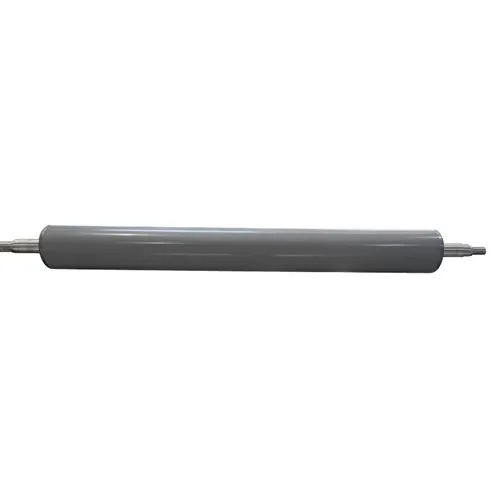
Ceramic Anilox Roller To learn more about our products and services, please contact us today. We look forward to hearing from you and helping you improve the performance and lifespan of your rollers.
References
- "Ultrasonic Cleaning Technology: Principles and Applications." Ultrasonic Industry Association.
- "Cleaning Guidelines for Rollers with Different Surface Coatings." Roller Manufacturers Association.
- "Best Practices for Maintaining and Cleaning Industrial Rollers." Industrial Cleaning Journal.
Address: No. 1093, B Zone, No. 2 Xugongqiao Rd, Huaqiao Town, Kunshan City, Suzhou, Jiangsu, China
E-mail: info@kshhroller.com
WebSite: https://www.kshh-roller.com/
