If you’re in the market for durable, versatile fabrics—whether for luggage, outdoor gear, event booths, or industrial covers—chances are you’ve come across 600D Oxford fabric. As a supplier with over a decade in this space, I lose count of how many times I’ve gotten the same question from customers: “Can I wash this stuff without ruining it?” It’s a fair question. 600D Oxford is known for its tough, tear-resistant build, but its thick, tightly woven structure, often coated or treated for water resistance and wear, makes washing feel like a risky gamble. I’ve seen new customers dump a soiled sample in a sink, only to call me panicking because it shrank, faded, or developed weird water spots. So let’s break this down: not only can 600D Oxford fabric be washed, but when done right, it maintains its strength, color, and function for years. I’m going to walk you through what 600D Oxford is, why washing sometimes goes wrong, and the step-by-step method my team has tested and refined for commercial and consumer goods alike. 600D Oxford Fabric
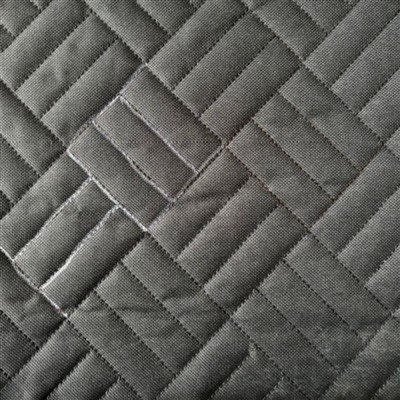
First, let’s get clear on what 600D actually means. The “D” stands for denier, a unit that measures the linear mass density of synthetic fibers (most often polyester, occasionally nylon, for Oxford fabrics). 600D refers to that 600 denier rating, which is a mid-thickness threshold: thicker than 300D (used for lightweight backpack linings) but thinner than 1680D (heavy-duty for hard-shell tool cases). The weave itself is classic Oxford: a plain or basket weave with an over-one-under-one crisscross that’s denser than standard cotton oxford cloth, designed to lock fibers together for abrasion resistance. That tight weave is why 600D Oxford is so popular—it can handle being dragged across concrete, stuffed full of gear, and exposed to rain or dirt without fraying. But that same tight weave also traps dirt deep in its gaps, and the coatings or treatments we add (like PVC or polyurethane for water resistance, or UV inhibitors for outdoor use) are what make washing tricky if you don’t know what you’re doing.
I remember my very first big customer, a small luggage brand, calling me in a panic back in 2014. They’d ordered 10,000 yards of 600D Oxford, and their batch of test bags came back from the wash with 2 inches of shrinkage and the water-repellent coating cracked. They were convinced the fabric was faulty, but when I asked how they washed it, they said they ran it through a hot cycle on their industrial washer with heavy-duty detergent. That was the mistake. Hot water breaks down synthetic fiber coatings, especially PVC, which is common on low-to-mid grade 600D Oxford. And while 600D polyester doesn’t shrink as much as cotton, it can still shrink 3-5% if exposed to temperatures over 140°F (60°C)—enough to throw off the precise dimensions of a custom bag or cover.
Fast forward to today, and my team at the factory has tested dozens of wash cycles on our 600D inventory to nail down the right process. Let’s start with a critical note: not all 600D Oxford is the same. The grade (whether it’s 100% virgin polyester vs. recycled polyester, what kind of coating it has, whether it’s dyed with high-performance pigment dye vs. low-quality dye) makes a huge difference. For example, our premium 600D Oxford has a PU (polyurethane) coating instead of PVC, because PU is more flexible and holds up much better to washing. We also use reactive pigment dyes that don’t bleed even when agitated, as long as you don’t use harsh bleach. But if a customer sources cheaper 600D Oxford with PVC coating or low-grade dye, washing it in anything other than cold water is a recipe for disaster. That’s why as a supplier, I always advise customers to test a 6×6 inch swatch of their specific fabric before washing a full batch—this is non-negotiable. I send free test swatches to all bulk clients for exactly this reason; it takes 48 hours to get results, and saves everyone the hassle of ruined goods.
Now, the good news: proper washing of 600D Oxford is straightforward, and it doesn’t require fancy equipment. Whether you’re washing a small item like a duffel bag or a large custom cover for a patio furniture set, the method is consistent. Let’s break it down step by step, with lessons we’ve learned from years of on-site testing.
First, prep the item. Before you even touch water, brush off loose dirt and debris with a soft-bristled brush or dry cloth. Dirt trapped on the surface can grind into the weave during washing, causing abrasion over time. For items with zippers, buckles, or Velcro, zip zippers all the way, fasten buckles, and cover Velcro with a small piece of fabric or tape. Velcro can grab onto other parts of the fabric and pull threads loose during agitation, so masking or covering it prevents snags. Also, turn any 600D Oxford item inside out. This protects the outer face (which has any coatings or finishes) from fading or rubbing against other items in the wash.
Next, choose the right washer and water temperature. For small items, a standard home washing machine on a delicate or gentle cycle works. For large items like event booth covers or RV wraps, a commercial front-loading washer is ideal, because top-loaders with agitators can be too harsh and cause stretching. The golden rule for water temperature: cold only. Hot water is the biggest enemy of 600D Oxford’s coatings. PU coatings, which are standard on our higher-grade fabric, will start to degrade and crack if exposed to water over 100°F (38°C), and even lower-grade coatings will become less water-resistant after repeated hot washes. I’ve seen a customer wash their 600D patio cover in warm water once, and within six months it stopped repelling rain entirely—all because the hot water broke down the surface coating. Stick to 60-80°F (15-27°C) for both small and large items.
Detergent is the next key factor. Skip the harsh stuff: bleach, fabric softener, and heavy-duty laundry detergent are all bad news for 600D Oxford. Bleach will discolor the dye, sometimes even turning it yellow or leaving white splotches, and fabric softener coats the weave and breaks down its abrasion resistance over time. We recommend using a mild, pH-neutral laundry detergent designed for synthetic fabrics, or even a gentle dish soap for very small items. For extra dirty items, like gear that’s been used on a construction site, you can add a small amount of oxygen-based bleach (not chlorine bleach) to the load, but only once every few washes—overuse will break down the fiber’s tensile strength.
When the wash cycle finishes, don’t wring or twist the fabric. That’s another common mistake I see. Twisting or squeezing 600D Oxford can cause the fibers to stretch permanently, especially if the fabric is damp. Instead, gently press the fabric between clean towels to remove excess water. This is enough to get most dirt out without damaging the weave. Now, drying is almost as important as washing. Never put 600D Oxford in a high-heat dryer. The heat can melt the synthetic fibers, warp the coatings, and cause shrinkage. We recommend line drying or air drying in a well-ventilated area, away from direct sunlight. Direct UV exposure can cause the fabric to fade over time, especially if it’s not treated with UV inhibitors, so if you do line dry, choose a shaded spot. If you’re in a hurry, you can use a low-heat tumble dry setting, but only for 10-15 minutes max, and pull it out while it’s still slightly damp to air dry the rest.
I know this might sound like a lot of steps, but it’s worth it. I’ve had customers who’ve been using our 600D Oxford for five years, washing their gear every six months, and their bags still look and perform like new. The key is patience and following these simple rules—no fancy products or industrial equipment needed. That said, there are a few scenarios where washing 600D Oxford is not recommended, and it’s important to note those too. If your fabric has a very heavy PVC coating (common on budget-grade 600D Oxford for disposable event tents), repeated washing will cause the PVC to peel off in sheets. If your fabric has a waterproof laminate that’s not PU, like a thin layer of polyethylene, washing can damage the laminate, reducing its water resistance. And if your 600D Oxford has been dyed with a low-quality acid dye (common on cheap imports), it may bleed in the wash even on cold, so a test swatch is non-negotiable here.
As a supplier, my number one goal is to make sure my customers get the most out of every yard of fabric they order. I’ve seen too many small businesses go out of their way to source great 600D Oxford, only to ruin their products with a bad wash. That’s why I always include a care sheet with every bulk order, and I’m available to answer questions anytime. Whether you’re a brand making duffel bags, a rental company that uses 600D Oxford party tents, or a manufacturer of industrial equipment covers, I know how important it is for your products to hold up to use and cleaning.
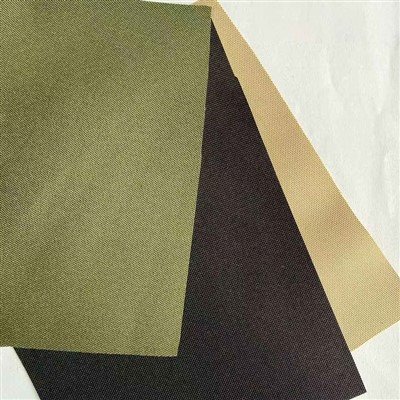
If you’re looking for high-quality 600D Oxford fabric that’s designed to be washed without compromising its durability, color, or water resistance, or if you need custom-sized fabric for your project, I’m here to help. We offer a range of grades, from standard 600D PU-coated to heavy-duty UV-stabilized options for outdoor use, and we can work with you to find the right fabric for your specific needs. Reach out to my team today to discuss your requirements, request a free test swatch, or get a bulk quote. We’re committed to supporting brands that want long-lasting, reliable fabric, and we’re ready to partner with you on your next project.
1680D Cationic Oxford Fabric References:
- Textile Institute. (2021). Care and Maintenance of Synthetic Fabrics for Outdoor and Industrial Use.
- American Association of Textile Chemists and Colorists (AATCC). (2019). Washing Durability of Polyester Oxford Fabrics.
- Oxford Fabric Manufacturers Association. (2022). Denier Grades and Performance Characteristics of 600D Oxford for Commercial Applications.
- International Organization for Standardization (ISO). (2020). Standard Test Method for Shrinkage of Synthetic Woven Fabrics After Washing.
Dongyang Huangxiu Leather & Plastic Co., Ltd.
With abundant experience, we are one of the most professional 600d oxford fabric manufacturers in China. We warmly welcome you to wholesale customized 600d oxford fabric made in China here from our factory. If you have any enquiry about quotation and free sample, please feel free to email us.
Address: Huangxiu Leather & Plastic Products, No. 79 Shunda Road, Huashui Town, Dongyang City, Zhejiang Province
E-mail: x372921764@163.com
WebSite: https://www.huangxiutextile.com/
