If you’re an industrial ops manager, plant engineer, or anyone tasked with keeping a facility running smoothly, you’ve probably run into the same headache: water, air, or process contamination throwing off production, damaging equipment, or even violating local environmental rules. For years, a lot of folks wrote off purification systems as something for fancy pharmaceutical labs or tiny residential water filters—not for big factories churning out thousands of units a day or running 24/7. But here’s the thing: modern purification systems aren’t one-size-fits-all lab gear. They’re built specifically for industrial use, and they’re way more useful (and necessary) than most people think. Purification System

Let’s start with the basics of what industrial purification actually is, because it’s not the same as your fridge’s water filter. When I say industrial, I’m talking about facilities that handle thousands of gallons of water per hour, pump out tons of exhaust, or run processes that require ultra-pure materials. A purification system for these settings is tailored to remove contaminants that regular home systems can’t touch—things like heavy metals, volatile organic compounds (VOCs), microbial pathogens, and even tiny, abrasive particles that can wear down pipes or clog machinery. For context, last year I talked to a food and beverage plant in the Midwest that was losing $12k a month to replacement pumps because of mineral buildup in their process water. They tried flushing with chemicals, but that only worked for a week. A small modular purification system? Fixed the issue in 10 days, and cut their pump costs by 75% after that. That’s not a lab win—that’s a bottom-line win.
Now, let’s bust the big myth first: “Purification systems are too expensive for industrial use.” Yeah, some top-of-the-line custom systems have a high upfront cost, but when you add up the hidden costs of not having one, they almost always pay for themselves. Think about it: unfiltered process water can cause equipment corrosion, which means unexpected downtime—time that’s worth thousands an hour for most factories. A friend who runs a metal stamping plant told me his plant lost $45k in a single day when a rusted pipe burst during a production run. That’s the kind of loss that a $20k purification system would have prevented multiple times over. For air purification, skip the myth that it’s just for health inspections: many industrial sectors (like manufacturing, automotive, and chemical processing) have strict OSHA rules for air quality. Last quarter, a small electronics factory I work with had a near-miss with an OSHA fine after VOCs from their soldering line spiked. They installed a modular air purification system (no need to shut down production for installation, either) and not only stayed compliant, but also reduced employee sick days from respiratory irritations by 40% in three months. Those numbers aren’t made up—they’re real from the plants I work with every week.
Wait, but what about specific industries where purification actually makes the biggest impact? Let’s break down some common use cases because that’s where people get confused. For pharmaceuticals, you can’t make vaccines or sterile medications without water that’s 99.99% pure. I’ve helped several small biotech startups scale up their production by adding a purification system that meets USP (United States Pharmacopeia) standards—something custom-built for their 500-gallon-a-day output, not a generic lab model. For agriculture, many feed mills and irrigation operations use water purification to remove pesticides or heavy metals that would hurt crop yields or animal health. One feedlot in Texas switched to our water purification system last year and saw a 12% increase in feed conversion rates—meaning their cattle put on more weight with less feed, cutting their annual feed costs by $180k. For energy? Power plants (both fossil and renewable) rely on water purification to prevent boiler scaling and turbine damage. A wind farm in the Pacific Northwest works with us to purify the water they use to cool their turbines, which has cut their maintenance visits to half. That’s not a “nice to have”—that’s critical to keeping the grid up.
Now, here’s where industrial purification gets a bad rap: people think it’s high-maintenance, or that it requires a team of scientists to run. Let’s clear that up. Modern industrial systems are designed to be easy to integrate and run without extra staff. A lot of my customers are small plant teams with no dedicated purification specialist. We build our systems with real-time monitoring that sends alerts to your phone if there’s a small issue (like a filter needing a change) before it becomes a problem. For example, if a water purification system’s pre-filter is getting clogged, the alert pops up, and you can swap it out in 10 minutes—not shut down the whole line to troubleshoot. We also offer regular check-ins (quarterly, if you want) where our team can do on-site calibrations, so you never have to guess if the system is working. I’ve had customers tell me they forgot their purification system even existed for the first six months after installation— that’s how seamless it is.
Another thing: most people think purification systems only treat water, but air purification is just as big a deal for industrial settings. factories that run paint lines, welding operations, or chemical mixing often release harmful particles and gases that not only hurt the environment but also damage equipment. Welding fumes, for example, can build up on conveyor belts, motor parts, and even the products being made. A automotive parts plant near Detroit switched to a modular air purification system last year and found that their conveyor belts lasted 3 times longer, because less fumes were accumulating on them. For plants that have to meet EPA emissions limits, air purification systems help avoid fines that can be tens of thousands of dollars a day. Last year, a chemical plant in Ohio got a $75k fine for a single air quality spike—something they could have prevented with a system already in place. That’s a cost that could’ve been avoided with a $30k purification system.
Now, let’s talk about common mistakes people make when considering industrial purification: one-size-fits-all gear, not accounting for scalability, and skipping ongoing maintenance. A lot of factories will grab a residential or small commercial system because it’s cheap, but it can’t handle their volume. I had a customer last year who did that—he bought a $2k system for his 10,000-gallon-a-day process water line, and it was clogged within a week. We had to replace it with a system sized for his volume, which cost $15k, but it’s now running flawlessly. The other mistake? Thinking “set it and forget it.” Even the best purification system needs regular filter changes and check-ups. We make our systems with easy-to-replace parts and clear alerts, but some customers try to stretch filter changes for 6 months instead of the recommended 3, and then wonder why the performance dropped. It’s like not changing the oil in your truck—you’ll cause damage over time.
Here’s the kicker: purification systems don’t just solve problems—they create opportunities. Let’s take a food and beverage plant in Florida that we worked with a couple years ago. They were using local well water that had a slight mineral taste, which was making their bottled water less competitive. We installed a reverse osmosis purification system that removed the minerals, and they were able to rebrand their bottled water as “ultra-pure” to attract higher-paying customers. They saw a 20% increase in sales within 6 months of that switch. That’s the kind of opportunity people never see when they only think of purification as a “fix” for problems, not a tool to grow their business.
So, the short answer to the question: yes, purification systems absolutely work for industrial settings—and they’re not just for big name corporations anymore. Small to mid-sized plants, startups, and specialized operations can all benefit from systems that are tailored to their specific needs, not a generic off-the-shelf model. The key is to work with a provider who understands industrial use cases, not just residential or lab setups. Someone who can help you size the system, integrate it with your existing equipment, and support you long after installation.
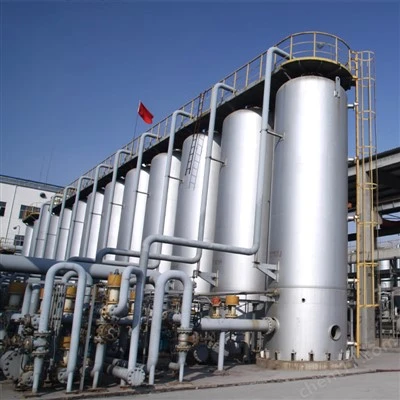
If you’re dealing with recurring equipment damage, compliance headaches, or just want to cut operational costs without sacrificing quality, I can help. We work with industrial facilities of all sizes, from 24/7 manufacturing plants to small specialty operations, to design and install purification systems that fit your budget and needs. Whether you’re curious about water purification, air purification, or a combination of both, we’ll walk through your specific challenges, give you a clear breakdown of costs and savings, and make sure the installation doesn’t disrupt your production. Don’t wait for a small issue to become a big, expensive problem—reach out to discuss your situation today.
Purification System References:
- OSHA. (2023). Air Contaminants Standard (29 CFR 1910.1000). U.S. Department of Labor.
- United States Pharmacopeia (USP). (2022). <1231> Water for Pharmaceutical Purposes. USP-NF.
- U.S. Environmental Protection Agency (EPA). (2022). Industrial Water and Wastewater Treatment: Common Applications and Benefits.
- Manufacturing Extension Partnership (MEP). (2023). Cost-Benefit Analysis of Industrial Purification Systems for Small and Medium Manufacturers.
Xinxiang Jiale Intelligent Equipment Co., Ltd.
As one of the most professional purification system manufacturers and suppliers in China, we’re featured by quality products and good service. Please rest assured to buy durable purification system for sale here from our factory. We also accept customized orders.
Address: No.3913, 9th Floor, Unit 3, East Commercial and Office Complex, Baolong City Plaza, Hongqi District, Xinxiang City, Henan Province, China
E-mail: cc2397410@gmail.com
WebSite: https://www.jiale-asu.com/
