Hey there! I’m a supplier in the condenser business, and I often get asked about how these nifty devices work. So, I thought I’d break it down for you in a way that’s easy to understand. Condenser
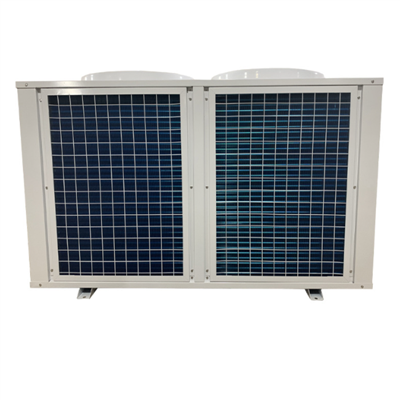
Let’s start with the basics. A condenser is a crucial part in many systems, especially in refrigeration and air – conditioning. Its main job is to change a gas into a liquid. Sounds simple, right? But there’s a lot going on behind the scenes.
The General Concept
Think of a condenser as a kind of cooling station. When a gas is hot and in a vapor state, it has a lot of energy. The condenser takes that high – energy gas and cools it down. As it cools, the gas loses energy, and its molecules start to come closer together. Eventually, they form a liquid. This process is called condensation, and it’s the heart of what a condenser does.
The Working Process Step by Step
1. Inlet of High – Pressure Gas
The first step in the working process of a condenser is the entry of high – pressure gas. In a refrigeration system, for example, the compressor squeezes the refrigerant gas, making it hot and high – pressure. This hot, high – pressure gas then flows into the condenser. The compressor is like a pump that keeps the refrigerant moving through the system.
Once the gas is inside the condenser, it starts to interact with the condenser’s components. The condenser usually has a series of tubes or coils. These tubes are designed to increase the surface area that the gas comes into contact with. The more surface area, the better the heat transfer can occur.
2. Heat Transfer
Heat transfer is the key part of the condenser’s operation. There are two main ways heat can be transferred in a condenser: conduction and convection.
Conduction happens when the hot gas touches the walls of the tubes in the condenser. The heat from the gas moves through the tube walls to the outside. The material of the tubes is usually a good conductor of heat, like copper or aluminum. These metals allow the heat to pass through them quickly.
Convection comes into play when there’s a fluid (either air or water) flowing around the tubes. The fluid absorbs the heat from the outside of the tubes. In an air – cooled condenser, fans blow air over the tubes. The air picks up the heat and carries it away. In a water – cooled condenser, water flows around the tubes, taking the heat with it as it moves out of the condenser.
As the heat is transferred away from the gas, the gas starts to cool down. Its temperature drops, and its pressure also starts to decrease.
3. Condensation
Once the gas has lost enough heat, it reaches a point where it starts to turn into a liquid. This is the condensation process. The molecules of the gas slow down and come closer together, forming a liquid.
In the condenser, the liquid refrigerant collects at the bottom. The design of the condenser helps to ensure that the liquid can easily flow out. There are usually pipes or channels that direct the liquid to the next part of the system.
4. Outlet of Liquid
After the gas has fully condensed into a liquid, the liquid leaves the condenser. In a refrigeration system, this liquid then goes to an expansion valve. The expansion valve reduces the pressure of the liquid, which causes it to evaporate and absorb heat from the surrounding area, cooling it down.
Different Types of Condensers and Their Working Processes
Air – Cooled Condensers
Air – cooled condensers are pretty common, especially in small – scale refrigeration and air – conditioning systems. They’re easy to install and maintain.
In an air – cooled condenser, the high – pressure gas enters the condenser coils. Fans blow air over the coils. The air absorbs the heat from the coils and the gas inside them. As the gas cools, it condenses into a liquid. The liquid then flows out of the condenser.
The main advantage of air – cooled condensers is that they don’t need a water supply. But they’re not as efficient as water – cooled condensers, especially in hot climates. The performance of an air – cooled condenser can be affected by the ambient air temperature. If it’s really hot outside, the air can’t absorb as much heat from the condenser, and the system may not work as well.
Water – Cooled Condensers
Water – cooled condensers are more efficient than air – cooled ones. They’re often used in large – scale industrial refrigeration and air – conditioning systems.
In a water – cooled condenser, the high – pressure gas enters the condenser tubes. Water flows around the tubes. The water absorbs the heat from the tubes and the gas inside. The water then goes to a cooling tower or some other cooling device to get rid of the heat it has absorbed.
The advantage of water – cooled condensers is that they can remove a large amount of heat quickly. They’re not as affected by the ambient air temperature as air – cooled condensers. But they do require a water supply, which can be a problem in areas where water is scarce.
Evaporative Condensers
Evaporative condensers are a combination of air – cooled and water – cooled condensers. They use both air and water to cool the gas.
In an evaporative condenser, the high – pressure gas enters the condenser coils. Water is sprayed over the coils, and air is blown through the condenser. As the water evaporates, it absorbs heat from the coils and the gas inside. This helps to cool the gas and condense it into a liquid.
Evaporative condensers are more efficient than air – cooled condensers and use less water than water – cooled condensers. But they’re more complex and require more maintenance.
Why Our Condensers Are Great
As a condenser supplier, I can tell you that our condensers are top – notch. We use high – quality materials in our condensers. The tubes are made of the best – grade copper or aluminum, which ensures excellent heat transfer.
Our design team has worked hard to optimize the shape and layout of the tubes and coils. This increases the surface area for heat transfer, making our condensers more efficient. Whether you need an air – cooled, water – cooled, or evaporative condenser, we’ve got you covered.
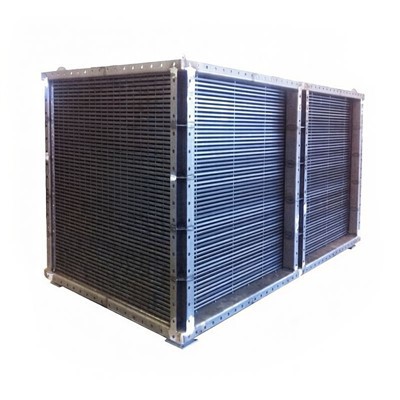
We also pay a lot of attention to the manufacturing process. Every condenser goes through strict quality control checks. We make sure that each one meets the highest standards before it leaves our factory.
Contact Us for Your Condenser Needs
Finned Tube If you’re in the market for a condenser, whether it’s for a small refrigeration unit or a large industrial system, don’t hesitate to get in touch. We can provide you with detailed information about our products, help you choose the right condenser for your needs, and give you a competitive price. Let’s start a conversation and see how we can work together to meet your condenser requirements.
References
- "Thermodynamics: An Engineering Approach" by Yunus A. Cengel and Michael A. Boles
- "Refrigeration and Air Conditioning" by R. C. Arora
Xiangshui Derkang Refrigeration Equipment Co., Ltd.
As one of the most professional condenser manufacturers in China, we’re featured by quality products and low price. If you’re going to buy discount condenser, welcome to get quotation from our factory. We also accept customized orders.
Address: No. 2, Xiaojian Town Entrepreneurship Park, Xiangshui County
E-mail: 505745223@qq.com
WebSite: https://www.xsderk.com/
