Are there any specific handling tools for non – magnetic drill collars?
As a supplier of non – magnetic drill collars, I’ve had numerous conversations with clients about the various aspects of these critical drilling components. One question that frequently comes up is whether there are specific handling tools for non – magnetic drill collars. In this blog post, I’ll delve into this topic, exploring the nature of non – magnetic drill collars, why they need special handling, and what tools are available for their safe and efficient handling. Non-Magnetic Drill Collars

Understanding Non – Magnetic Drill Collars
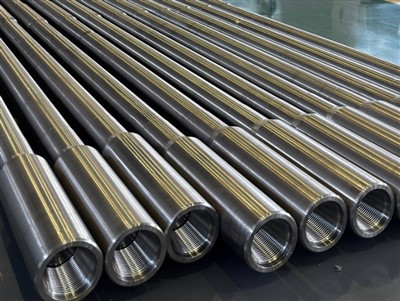
Non – magnetic drill collars play a vital role in the oil and gas drilling industry. They are typically made from materials such as stainless steel, monel, or alloy steel, which have low magnetic permeability. This non – magnetic property is crucial because it allows drilling operators to use measurement – while – drilling (MWD) and logging – while – drilling (LWD) tools accurately. These tools rely on magnetic field measurements to determine the orientation and direction of the wellbore. If the drill collar has magnetic properties, it can interfere with these measurements, leading to inaccurate data and potential wellbore deviation problems.
Why Special Handling is Required
Non – magnetic drill collars are often more expensive than their magnetic counterparts due to the special materials used in their construction. Additionally, they are precision – engineered components, and any damage during handling can affect their performance and accuracy. For example, scratches or dents on the surface of a non – magnetic drill collar can create stress concentrations, which may lead to fatigue cracking over time. Moreover, the non – magnetic materials can be more susceptible to corrosion if not handled and stored properly. Therefore, using specific handling tools is essential to protect the integrity of these drill collars and ensure their long – term functionality.
Specific Handling Tools for Non – Magnetic Drill Collars
Lifting Tools
- Slings and Straps: Synthetic slings are a popular choice for lifting non – magnetic drill collars. They are non – conductive, non – sparking, and have a high strength – to – weight ratio. Polyester slings, in particular, are resistant to most chemicals and UV rays, making them suitable for use in various drilling environments. When using slings, it’s important to ensure that they are rated for the weight of the drill collar and that they are positioned correctly to prevent slipping or damage to the collar.
- Lifting Magnets (for non – magnetic materials): Some high – tech lifting magnets are designed to work with non – magnetic materials. These magnets use advanced electromagnetic principles to generate a strong holding force without relying on magnetic attraction. They can be a convenient and efficient way to lift non – magnetic drill collars, especially in situations where slings may be difficult to use.
Handling and Positioning Tools
- Crane Grapples: Crane grapples are used to hold and manipulate non – magnetic drill collars during loading, unloading, and positioning operations. They come in various designs, including hydraulic and mechanical grapples. Hydraulic grapples offer greater control and flexibility, allowing operators to adjust the gripping force according to the size and weight of the drill collar.
- Turning Rolls: Turning rolls are essential for rotating non – magnetic drill collars during inspection and maintenance procedures. They ensure smooth and controlled rotation, which is necessary for accurate measurement of the drill collar’s dimensions and for applying protective coatings. Electrically driven turning rolls are commonly used, as they provide consistent speed and torque.
Storage Tools
- Racks and Racks: Custom – designed storage racks are used to store non – magnetic drill collars safely. These racks are typically made from non – corrosive materials such as aluminum or stainless steel. They are designed to support the drill collars in a way that prevents them from coming into contact with each other, reducing the risk of damage. Some racks also have features such as adjustable supports to accommodate different sizes of drill collars.
Safety Considerations
When using handling tools for non – magnetic drill collars, safety should always be the top priority. Operators should be properly trained in the use of these tools and follow all safety procedures. For example, when lifting drill collars, they should ensure that the lifting equipment is properly secured and rated for the load. Additionally, they should wear appropriate personal protective equipment (PPE), such as hard hats, safety glasses, and gloves.
The Importance of Quality Tools
Investing in high – quality handling tools is crucial for suppliers and drilling companies alike. Quality tools are more reliable, durable, and can reduce the risk of damage to non – magnetic drill collars. They also contribute to the overall efficiency of drilling operations by minimizing downtime caused by equipment failures or accidents.
Choosing the Right Tools
When choosing handling tools for non – magnetic drill collars, several factors should be considered. These include the size and weight of the drill collars, the specific handling requirements of the drilling site, and the budget. It’s also important to choose tools from reputable manufacturers that offer warranties and after – sales support.
Conclusion
In conclusion, there are indeed specific handling tools for non – magnetic drill collars. These tools are essential for ensuring the safe and efficient handling, storage, and maintenance of these critical drilling components. As a supplier of non – magnetic drill collars, I understand the importance of providing our clients with not only high – quality drill collars but also information about the proper handling and care of these products.
Non-Magnetic Tools for Coal If you’re in the market for non – magnetic drill collars or need more information about the handling tools we recommend, I encourage you to reach out to us for a detailed discussion. Our team of experts is ready to assist you in finding the right solutions for your drilling needs. Whether you’re a small – scale drilling operation or a large – multinational company, we can provide you with the products and services you require. Contact us today to start a conversation about your non – magnetic drill collar requirements.
References
- API Specification 7 – 1, Specification for Rotary Drill Stem Elements
- Manufacturer’s manuals for handling tools such as slings, grapples, and turning rolls
- Industry research papers on the handling and maintenance of non – magnetic drill collars
Shanxi Zhonghe Non-Magnetic Drill Tool Co., Ltd.
Address: No.168 Fenglei Street, Houma City, Linfen City, Shanxi Province, China.
E-mail: lucy@nmdrillcollar.com
WebSite: https://www.zhnmdc.com/
