What is the tear strength of insulation paper?
As a supplier of insulation paper, I often get asked about various technical properties of our products, and one question that comes up frequently is about the tear strength of insulation paper. In this blog, I will delve into what tear strength is, its significance in insulation paper applications, and how it affects the performance of our products. Insulation Paper
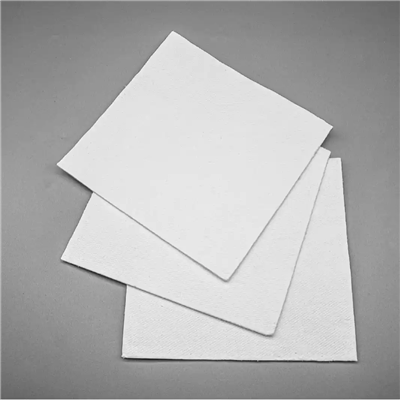
Understanding Tear Strength
Tear strength is a fundamental mechanical property that measures a material’s ability to resist the propagation of a tear once it starts. In the context of insulation paper, tear strength represents the force required to continue tearing a pre – cut slit in the paper. This property is crucial because in real – world applications, insulation paper may encounter sharp edges, mechanical stress, or abrasion, which can initiate tears.
The tear strength of insulation paper is typically measured using standardized test methods. One of the most common methods is the Elmendorf tear test. In this test, a specimen of the insulation paper is held in a special apparatus, and a pendulum is used to tear the pre – cut specimen. The energy required to tear the paper is measured, and this value is reported as the tear strength, usually in units of grams – force per unit width (e.g., g/m).
Significance of Tear Strength in Insulation Paper
Electrical Equipment Applications
In electrical equipment such as transformers, motors, and generators, insulation paper plays a vital role in preventing electrical short – circuits. High tear strength is essential because the paper may be subject to handling during the manufacturing process. For example, when winding coils in a transformer, the insulation paper needs to be wrapped tightly around the conductors. If the tear strength of the paper is low, it may tear during this winding process, leaving gaps in the insulation. These gaps can lead to electrical breakdowns, reducing the efficiency and lifespan of the equipment.
Harsh Environments
Insulation paper is also used in various harsh environments. In some industrial settings, the paper may be exposed to vibrations, mechanical shocks, or even chemical agents. A high – tear – strength insulation paper can better withstand these conditions. For instance, in a large – scale industrial motor, the constant vibrations can exert mechanical stress on the insulation paper. If the tear strength is insufficient, the paper may tear over time, compromising the insulation and potentially causing equipment failure.
Safety and Reliability
Safety is a top priority in electrical systems. A tear – resistant insulation paper enhances the overall safety and reliability of the system. When the insulation remains intact, it prevents electrical arcing and leakage, reducing the risk of fire and electrical hazards. This is particularly important in high – voltage applications where the consequences of insulation failure can be catastrophic.
Factors Affecting the Tear Strength of Insulation Paper
Fiber Composition
The type of fibers used in the insulation paper has a significant impact on its tear strength. Natural fibers such as cellulose fibers are commonly used in insulation paper. The length, strength, and flexibility of these fibers influence the tear – resistant properties of the paper. Longer and stronger fibers tend to produce insulation paper with higher tear strength. For example, cotton fibers, which are relatively long and strong, can contribute to improved tear resistance when used in insulation paper manufacturing.
In addition to natural fibers, synthetic fibers are also increasingly used in insulation paper. These fibers, such as aramid fibers, often have excellent mechanical properties, including high tear strength. The combination of different types of fibers, known as a hybrid fiber system, can be optimized to achieve the desired tear strength and other performance characteristics.
Paping Process
The paping process also affects the tear strength of insulation paper. During the papermaking process, factors such as fiber orientation, bonding, and the addition of additives can impact the final tear strength. If the fibers are oriented randomly, the paper is more likely to have uniform tear strength in different directions. Effective bonding between the fibers ensures that the paper can distribute the tearing force evenly, enhancing its tear resistance.
Additives such as resins can be used to improve the bonding between the fibers and increase the tear strength of the insulation paper. Resins can fill the gaps between the fibers, creating a more cohesive structure that is better able to resist tearing.
Moisture Content
Moisture content can have a significant effect on the tear strength of insulation paper. Excessive moisture can weaken the fibers and reduce the bonding between them, leading to a decrease in tear strength. On the other hand, if the paper is too dry, it may become brittle and more prone to tearing. Therefore, maintaining an appropriate moisture content during storage and use is crucial to preserve the tear strength of the insulation paper.
Measuring and Controlling Tear Strength
As a supplier, we have strict quality control measures in place to ensure that our insulation paper meets the required tear strength standards. We conduct regular tear strength tests on our products using the Elmendorf tear test and other relevant methods. These tests are performed at different stages of the production process, from the raw material stage to the final finished product.
Based on the test results, we can adjust our production processes to control the tear strength of the insulation paper. For example, if the tear strength is lower than the specified value, we may increase the proportion of high – strength fibers in the fiber blend or adjust the papermaking parameters to improve fiber bonding.
Conclusion

In conclusion, the tear strength of insulation paper is a critical property that directly impacts its performance in electrical applications. A high – tear – strength insulation paper ensures the integrity of the insulation, enhances the safety and reliability of electrical equipment, and can withstand harsh environmental conditions. As a leading supplier of insulation paper, we are committed to producing high – quality products with excellent tear strength.
Sanitary Paper Series If you are in the market for insulation paper and are looking for a reliable supplier who can provide products with the right tear strength for your specific application, we’d love to hear from you. Whether you have a small – scale project or a large industrial need, our team of experts can help you find the perfect insulation paper solution. Contact us today to start a discussion about your insulation paper requirements and to explore the best options for your business.
References
- ASTM International. Standard test methods for tear resistance of paper and paperboard (Elmendorf type).
- TAPPI Press. Handbook of Pulping and Papermaking.
- Technical literature from leading fiber and resin manufacturers.
Senzo New Material Group Co., Ltd.
As one of the most professional insulation paper manufacturers and suppliers in China, we also support customized service. Please rest assured to buy high quality insulation paper made in China here from our factory. For price consultation, contact us.
Address: Dongying Bonded Area, Shandong, P. R. China
E-mail: info@aonuochina.cn
WebSite: https://www.senzopaper.com/
