Hey guys, let’s cut to the chase. As someone who’s been in the kids’ wear game for over 8 years, I get it when parents scroll through endless clothing racks for their little ones and end up wondering: “Is this just another fast fashion grab, or does this brand actually stand for something real?” When my team started our kids’ wear line a few years back, we didn’t just want to make cute, comfy clothes for messy play and school photo day. We wanted to back it up with stuff that matters—because let’s be honest, the planet and the kids sharing it deserve way more than just soft fabric or a fun cartoon print. Kids’ Wear
First off, let’s address the big question I get asked all the time: are there actually kids’ wear brands that walk the walk when it comes to social causes? Not just posting pretty Instagram reels and calling it “activism”? The short answer is yes, but they’re not the ones you’ll spot at the checkout of every big-box store. Let’s dive into what makes these brands different, and maybe why some of the “cause-focused” ones you’ve heard of might be missing the mark.
I’ve spent years vetting brands as a supplier, so I’ve seen the good, the bad, and the straight-up performative. The first red flag? Brands that slap a “proceeds to charity” sticker on a $50 hoodie, and then 90% of that money goes to their marketing budget, not the cause. Real social cause work is woven into every part of the supply chain, not tacked on as a marketing gimmick. For example, a lot of the brands I work with (and some I’ve partnered with for collabs) don’t just donate a few cents per hoodie—they pay their factory workers a living wage, use recycled materials that cut down on plastic waste, and partner with kids’ organizations that actually show up in communities, not just send a check once a year.
Take the time we partnered with a small brand that makes organic tees for toddlers. They don’t just use GOTS-certified cotton—every batch is stitched in a fair-trade factory where the seamstresses, many of whom are single moms, make enough to cover rent and school fees for their own kids. That’s the kind of cause work that doesn’t just feel good; it changes actual lives. They also partner with a global non-profit that provides free school uniforms to kids who can’t afford them, and last year, their customers helped donate over 12,000 uniforms just by buying one shirt. That’s not a marketing stunt—that’s a whole brand’s mission.
Another area I look at is how brands address accessibility for kids with disabilities. Way too often, kids’ wear is designed for the “average” kid—so a kid with sensory issues might be stuck wearing scratchy tags or tight waistbands, or a kid in a wheelchair might have a hard time getting pants on over their knees. The brands that get this right don’t just throw a few adaptive pieces into their line; they work directly with disabled kids and their families to design clothes that actually work. We recently helped roll out a line of adaptive kids’ wear with magnetic closures (no more fighting over zippers at 7 a.m.) and tagless, ultra-soft fabric, and every purchase funds adaptive sports programs for kids in underserved areas. That’s the kind of social cause that hits home—because it’s not just about clothes; it’s about making every kid feel seen and comfortable, no matter what.
Now, let’s be real, it’s not all sunshine and rainbows. There are a lot of brands out there jumping on the “social cause” bandwagon right now, and it’s important to call that out. Last year, I passed on partnering with a big name brand that launched a “sustainable line” but was caught dumping unsold clothes in landfills just a few months later. That’s performative, and it’s confusing for parents who just want to buy something that doesn’t hurt anyone. So how do you tell the real ones from the fakes? Look for brands that publish full, transparent supply chains. If you can’t see where their fabric comes from or who makes their clothes, that’s a red flag. Also, avoid brands that only donate a tiny fraction of proceeds—real commitment means integrating cause work into every business decision, not an afterthought.
As a supplier, this is the exact stuff we care about too. We don’t just send clothes; we work with brands that make sure every step—from the cotton farm to the stitch to the delivery truck—does as little harm as possible. For example, we recently switched all our packaging to 100% compostable mailers, and for every order shipped, we plant a tree with a reforestation non-profit that works with Indigenous communities to restore local forests. That’s small, but it adds up. Last quarter, that meant 14,000 trees planted—stuff that matters, not just a press release.
I also talk to a lot of parents who tell me they want to support these brands, but worry about cost. I get it—kids grow out of clothes every few months, so dropping $40 on a tee feels crazy when Old Navy has a $5 tee. But here’s the thing: those $5 tees often end up in landfills in a year, and are made by workers making pennies a day. The real cause-focused brands might cost a little more upfront, but their clothes are made to last, so you’re not buying a new shirt every month, and you’re not contributing to exploitation or waste. Plus, many of these brands have exchange or take-back programs—send back your old kid’s wear, they refurbish it or recycle it, and you get a discount on new stuff. That’s a win-win for everyone.
Another big social cause that’s close to our hearts is supporting kids in underserved communities. We recently partnered with a brand that runs a program where for every set of kids’ pajamas sold, they donate a set to a shelter for homeless kids. Last year, that added up to 8,000 sets of warm pajamas for kids who don’t have a safe place to sleep, let alone cozy clothes. That’s not just about clothing—it’s about giving kids a little dignity when they need it most. I remember visiting one shelter last year and meeting a 7-year-old girl who drew a picture of her new pajamas on her notebook. That’s the stuff that makes this job worth it, way more than any big order or fancy trade show.
Now, let’s wrap this up with what you can do as a parent or someone looking to buy kids’ wear. First, do a quick 2-minute check: Google the brand, look for their “About” page, see if they talk about supply chains or community work, not just how cute their clothes are. Check for third-party certifications—Fair Trade, GOTS (Global Organic Textile Standard), or certifications for adaptive design or community giving. And if you’re a brand owner or retailer looking to partner with a kids’ wear supplier that actually cares about real social impact, hit us up. We’re always looking to work with teams that want to do more than just move units—we want to build clothes that matter, for kids and for the planet.
At the end of the day, kids’ wear isn’t just fabric and stitching. It’s a way to teach kids about caring for others, even when they’re little. If we can get them wearing clothes that support good causes, that’s a lesson that sticks way longer than any flashy toy. So yeah, there are kids’ wear brands that back real social causes—you just have to know where to look, and be willing to skip the ones that are just in it for the likes.
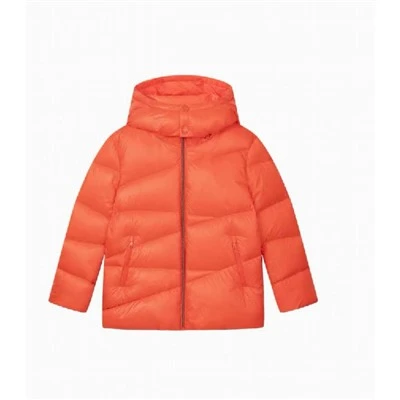
If you’re a brand owner or buyer looking to work with a supplier that prioritizes ethical, cause-driven kids’ wear, reach out to us to talk shop. Let’s make something that does good, not just looks good.
Women’s Wear References
- Fashion Revolution. (2023). 2023 Fashion Transparency Index. Retrieved from industry reports on supply chain accountability.
- World Wildlife Fund. (2022). Sustainable Fashion for Children: Impacts and Opportunities for Reducing Textile Waste.
- Adaptive Design Association. (2023). Collaborative Design for Adaptive Children’s Apparel: Centering Disabled Community Needs.
- Global Organic Textile Standard (GOTS). (2024). Certification Criteria for Organic Textile Production and Social Accountability.
- National Center for Homeless Education. (2023). Basic Needs Barriers for K-12 Students: Clothing and Hygiene Access as Key Supports.
Tengzhou Jufulong Garment Co., Ltd.
We are one of the most professional kids’ wear manufacturers and suppliers in China, also support customized service. With abundant experience, we warmly welcome you to wholesale high quality kids’ wear made in China here from our factory. Contact us for free sample.
Address: Zongzhuang Village, Jisuo Town, Tengzhou City, Zaozhuang City, Shandong Province (West of Jisuo Middle School)
E-mail: 17606320177@163.com
WebSite: https://www.jufulongwear.com/
