Hey there, fellow tractor owners and folks who’re new to keeping their workhorses running smooth. I’m Jake, part of the team at our tractor supply spot—we sell everything from compact utility tractors for small farms to big, rugged ones for hauling hay and tilling fields, and over the years, I’ve talked to dozens of you who’ve said, “Changing my tractor oil sounds like a huge chore, and I don’t wanna mess it up and break something.” Let me tell you, it’s not as scary as it sounds, and doing it yourself saves you a ton of cash, plus you know exactly what’s going into your machine. I’ve changed oil on everything I’ve sold, and even my own personal farm tractor, so I’m gonna walk you through every step, no fancy jargon, just real stuff that works. Tractor
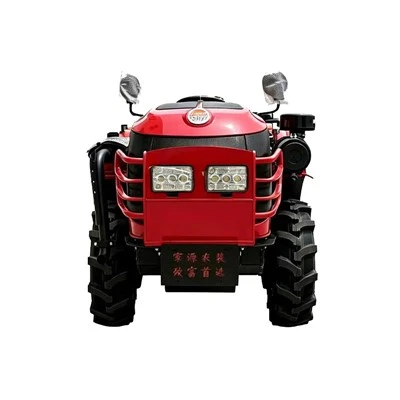
First off, let’s get one thing straight: tractor oil isn’t the same as your car’s oil. Tractors work way harder, longer, and in way dirtier conditions—dust, mud, uneven loads, you name it. So skipping a change or using the wrong oil can lead to all sorts of headaches: your engine overheats, parts wear out faster, and before you know it, you’re staring at a huge repair bill instead of saving that $50 to $100 you would’ve spent doing it yourself. How often should you do it? Well, depends on what kind of tractor you’ve got, and how much you use it. If you’re running it every day during planting or harvest, that’s every 50 hours. If it’s just for mowing the yard or pulling a trailer a few times a month, every 100 hours is fine. Pro tip: mark it on your phone or a calendar somewhere—don’t go by just “once a year” because if you don’t use it for a whole year, that oil’s still breaking down even if the engine’s sitting.
Now, what do you need? Let’s keep it simple, no special tools. First, the right oil and oil filter. This is make-or-break. Go by your tractor’s manual—we always tell our customers to check that before buying, but if you forgot, swing by our place and we can hook you up. Most of our utility tractors take 15W-40 diesel oil, but some older models or compact ones might take something else, so don’t just grab whatever’s on the shelf. And the filter? Don’t skimp here. A cheap filter can let dirt get into your engine, and that’s the fastest way to kill it. We sell quality filters that fit all the tractors we supply, so that’s a safe bet. Next, you’ll need: a drain pan (the kind with a lip, so oil doesn’t spill everywhere), a wrench for the oil filter, a socket set or open-end wrench to loosen the drain bolt, some rags, a funnel, and a pair of work gloves—because that oil’s gross, and it’s hot. Oh, and don’t forget to dispose of the old oil properly. Don’t just dump it in the dirt or down the drain. Most auto parts stores and even some of our local farm supply spots take old oil for free. We can even point you to the nearest place if you need it.
Now, let’s talk about timing. You wanna change the oil when the engine’s warm, not hot—like, after you’ve run the tractor for 10 or 15 minutes, then shut it off. Warm oil flows way better, so it all drains out, instead of being thick and gunked up at the bottom. If it’s too hot, you could burn yourself bad, so wait a couple minutes after shutting it off. That’s a good middle ground.
Okay, step-by-step, let’s get to it. First, park your tractor on level ground. This is so important—if it’s tilted, the oil won’t drain all the way, and you’ll have old gunk left in the engine. Don’t just park it on a slope to get somewhere fast. Next, pop the hood (or the engine cover, whatever your tractor has) and locate the oil filter and the drain bolt. The drain bolt’s usually on the bottom of the oil pan, right under the engine. The oil filter is a round canister, usually on the side or bottom of the engine, easy to spot once you look for it. Before you do anything, set your drain pan under the drain bolt—make sure it’s big enough to hold all the oil. Most tractors hold like 2 to 5 quarts, so a 5-quart pan is perfect, but if you’re not sure, get a bigger one, no harm there.
Now, put your gloves on. Grab your wrench and loosen the drain bolt. Don’t unscrew it all the way with your hands yet—just crack it loose. Then, stand back a little, because once the bolt comes out, oil will start gushing. Let it drain fully—this takes like 5 to 10 minutes, depending on how big your engine is. While that’s draining, go ahead and get the old oil filter off. If it’s loose enough to twist by hand, great, if not, use your filter wrench. Be careful here—oil filters are full of old, dirty oil, so hold a rag over it when you twist it off, so you don’t spill all over your hands. Once it’s off, take a look at the old filter—there’s a rubber seal around the edge, right? You need to make sure you get that whole seal off the engine when you take the old filter off. If you leave part of it, the new filter won’t seal right, and you’ll have a leak. That’s a common mistake people make, so double-check that.
Now, while the oil’s still draining, prep the new filter. Take some of your new oil (about a tablespoon is enough) and rub it all over the rubber seal on the new filter. This helps it seal better, no leaks. That’s a trick I learned early on, saves so much trouble. Then, when the old oil’s done draining, clean the drain bolt with a rag, make sure there’s no dirt or old oil on it, screw it back in tight. Don’t crank it as hard as you can—just snug, that’s enough. If you over-tighten, you’ll strip the bolt or crack the oil pan, and that’s a way bigger mess.
Now, install the new filter. Screw it on by hand first, as tight as you can get it with your hands. Then, give it about a quarter turn more with the filter wrench—no more. Again, over-tightening will break the filter housing, and that’s an expensive fix. I’ve seen too many people do that, so trust me, hand tight plus a quarter turn is perfect.
Next, add the new oil. Locate the oil fill cap, that’s usually on the top of the engine, clearly marked “oil” on it. Take it off, stick your funnel in, and pour in the right amount of oil. Check your manual for the exact amount—don’t guess. After you pour, wait a minute, then pull the dipstick (yep, there’s a dipstick, same as your car) and check the level. It should be right between the “min” and “max” lines on the dipstick. If it’s low, add a little more. If it’s over the max, you’ve put too much, which can cause the engine to smoke or damage parts, so drain a little out if you need to.
Once you’ve got the oil level right, put the fill cap back on, then start the tractor and let it run for 2 to 3 minutes. This cycles the new oil through the filter and the engine. After that, shut it off, wait a minute, and check for leaks. Go look under the tractor where the drain bolt and the filter are—no oil should be dripping there. If you see a leak, don’t panic. It might just be the filter needing to be tightened a little, or the drain bolt. Turn the tractor back off, let it cool, and adjust as needed. If you still have a leak after that, give us a holler, we can help you figure it out.
Now, last step: dispose of that old oil and the old filter properly. Like I said, don’t dump it. Most auto parts stores will take the old filter too, no charge. Just bring it in with the old oil, and they’ll handle it. It’s illegal to dump oil, and it’s bad for the environment, so do the right thing here.
Wait, let’s talk about some common mistakes I see people make. First, using the wrong oil. I can’t stress that enough. If you put something too thin, it’ll burn up fast. Too thick, and it won’t lubricate the parts right when the engine’s cold. Always check the manual, or if you’re unsure, swing by our place and we’ll tell you exactly what you need. Second, not letting the oil drain long enough. If you yank the drain bolt out and only wait 2 minutes, you’re leaving half the old gunk in the engine, which is gonna wear it out. Third, leaving the old filter seal on the engine. That’s a quick check right after you take the old filter off, don’t skip it. Fourth, over-tightening parts. Tractors are built tough, but they’re not indestructible, and forcing parts too hard will break something.
Another thing: if you’ve never changed oil before, take your time. It’s not a race. Lay out all your tools and supplies before you start, so you’re not running back and forth looking for a wrench. And if it feels like it’s too much, that’s what we’re here for. We don’t just sell tractors—we help people keep ’em running. If you’ve got questions, or you need the right oil, filter, or even a guide for your specific model, just reach out. We’re not just a sales spot, we’re tractor people, same as you.
Changing your tractor’s oil regularly isn’t just a maintenance task—it’s how you keep your tractor running for years, even decades. A well-maintained tractor will hold its value way better too, so when you’re ready to upgrade, you can sell it for more or trade it in without taking a huge loss. I’ve seen tractors from the 80s still running strong because their owners stuck to regular oil changes, and I’ve seen ones from 2010 that are dead because they skipped oil changes. It’s that big a deal.

If you’re thinking about a new tractor, or you need parts or help with maintenance, we’ve got you covered. We stock all the common oil and filters for the tractors we supply, and our team knows these machines inside and out. No matter if you’re a first-time tractor owner who’s just trying to keep your small farm going, or a seasoned pro with a big operation, we can help you get set up with the right stuff. Just reach out to us to talk through your needs, whether it’s for a new machine, replacement parts, or even a refresher on maintenance like oil changes. We’re here to make sure your tractors stay work-ready, so you can focus on what matters most.
Tractor References:
- John Deere Tractor Maintenance Manual, 2022 Edition
- National Agricultural Statistics Service, Farm Equipment Maintenance Guidelines, 2021
- American Petroleum Institute, Automotive and Industrial Lubricant Standards for Diesel Engines, 2023
- EquipmentWatch, Used Tractor Value Retention Report, 2024
Shandong Jiayuan Agricultural Equipment Co., Ltd.
As one of the most professional tractor manufacturers and suppliers in China, we have world-leading production equipment and strong manufacturing capabilities. Please feel free to buy advanced tractor for sale here from our factory.
Address: No.2, No.002777 Zhongjiang West 4th Street, Yangzi Subdistrict, Binhai District, Weifang City, Shandong Province, China
E-mail: sdjynyzb@163.com
WebSite: https://www.jiayuantractor.com/
