When I first started my career as a plate heat exchanger supplier, I used to get a lot of side questions from power plant engineers: “We’ve always used shell-and-tube units here—why would we even consider plate heat exchangers?” At first, I’d go through the basics: smaller footprint, higher heat transfer efficiency, lower maintenance. But over the past decade, as I’ve worked with coal, combined-cycle, and even geothermal power plant teams, I’ve learned the answer isn’t just a list of specs—it’s about understanding the unique pressure, temperature, and fluid challenges power plants face every single day. Today, I want to break down exactly how plate heat exchangers (PHEs) fit into power plant operations, the gaps they fill, and why more plant managers are ditching outdated shell-and-tube setups for plate-based alternatives. Plate Heat Exchangers
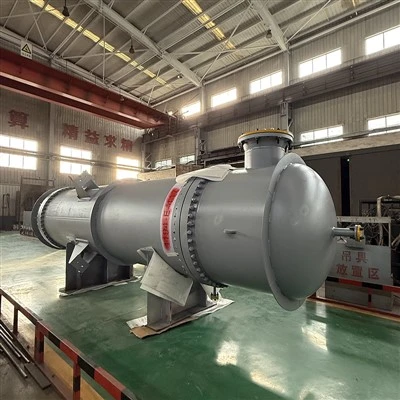
Let’s start with the core role heat exchangers play in any power plant. Whether you’re generating electricity from steam, combustion, or geothermal heat, heat exchangers are the workhorses that move thermal energy from one medium to another. In a typical thermal power plant, for example, you have two critical loops: the primary side, where hot steam (around 540°C and 170 bar, for reference) drives the turbines, and the secondary side, where you use cooling water or condensed steam to lower the pressure of the spent steam so it can be recycled. Shell-and-tube heat exchangers have been the default here for 100 years—they’re rugged, can handle extreme pressures, and are easy to repair if a tube leaks. But they also come with big drawbacks: they’re bulky, have low fouling resistance, and their heat transfer efficiency drops off sharply as the gap between plates (or tubes, in this case) widens.
That’s where plate heat exchangers step in, and the first big use case I see for them is in the condensate and feedwater system. Let’s explain that simply: after steam spins the turbine, it’s cooled into water (condensate) and pumped back to the boiler to turn into steam again. The condensate goes through two stages of cooling: first, a low-pressure heater that uses exhaust steam from the turbine to warm the condensate, then a high-pressure heater that uses extraction steam to get the water to the right temperature before it enters the boiler. Traditionally, both heaters would be shell-and-tube units, but today, many plants are switching to plate heat exchangers here. Why? The turbulent flow pattern in a PHE’s pressed plates means less scaling and fouling—something that’s a huge pain point in condensate systems, where hard water and residual minerals build up over time. I recently worked with a 500MW coal plant in the Midwest that swapped their two shell-and-tube condensate heaters for PHEs; they reported a 22% drop in fouling-related downtime in the first six months alone. That’s not a small number for a plant that can lose tens of thousands of dollars a day for every hour of unplanned shutdown.
Another key application is waste heat recovery, which is huge for power plants looking to boost efficiency and meet emissions targets. Combined-cycle power plants, for example, run a gas turbine first, then use the hot exhaust from the gas turbine to make steam for a steam turbine. That process gets about 60% efficiency, which is way higher than single-cycle gas plants, but there’s still waste heat left in the exhaust after the steam generator. Plate heat exchangers are perfect here because they can capture that low-grade waste heat (at temperatures as low as 90°C) and use it to preheat the incoming feedwater, instead of wasting it up the stack. A geothermal power plant I worked with in the Pacific Northwest used to dump 30% of their geothermal brine’s heat into a cooling pond before we installed plate heat exchangers for feedwater preheating; now they’re capturing that heat to cut their boiler fuel use by 18%. The compact size of PHEs also means they don’t require adding extra space to the plant—a big win for older facilities that don’t have room to expand.
But let’s be honest—plate heat exchangers aren’t right for every part of a power plant. I still tell engineers that for high-pressure, high-temperature core boiler circuits, shell-and-tube units are a better fit, at least for now. PHEs are limited by their gasket materials: standard EPDM gaskets can handle up to around 180°C, and high-temperature FKM gaskets top out at about 205°C. For coal plants where steam hits 540°C, that’s still out of reach. But advances in gasket technology are changing that—we’ve recently developed a glass-reinforced gasket that can handle up to 230°C, which is opening up use cases for subcritical boilers. And for lower-pressure applications, like cooling for transformers or lubrication systems, PHEs are already the standard for most modern plants.
One of the biggest misconceptions I hear is that plate heat exchangers are too expensive for power plant budgets. Let’s do the math: upfront, a PHE might cost 30% less than a comparable shell-and-tube unit. But the long-term savings are where it matters. PHEs have a smaller footprints, so you save on installation and piping costs. Their higher heat transfer efficiency means you use less fuel to heat water, so your energy costs go down. And as I mentioned earlier, fouling is way less of a problem—shell-and-tube units require regular tube cleaning, either with chemical treatments or mechanical rodding, which takes downtime and labor. PHEs, with their closely spaced plates, create turbulent flow that actually prevents scale buildup, so cleaning intervals can extend from every 6 months to every 2 years. I had a plant manager tell me once that after switching to PHEs, their annual maintenance costs for heat exchangers dropped by $120,000. That’s a number that gets attention.
Another factor power plant teams care about is flexibility. As the grid shifts more to renewable energy, many plants are moving from base-load operation to peaker or flexible operation—meaning they start up and shut down more often, and operate at varying loads instead of steady full capacity. Plate heat exchangers handle load fluctuations way better than shell-and-tube units. Because their flow channels are small, they adjust quickly to changes in temperature and pressure, so you don’t get the thermal shock that can damage shell-and-tube tubes over time. A utility in Texas that runs a 1,000MW combined-cycle plant as a peaker unit told me that their PHEs have lasted 5 years with no major issues, while their old shell-and-tube units needed to be replaced every 3 years due to cycle fatigue. That’s a huge reliability gain for plants that need to respond to grid demand fast.
Now, I won’t sugarcoat it—there are challenges to switching to plate heat exchangers in power plants. The big one is handling large flow rates. Some power plant condensate lines carry millions of gallons of water per hour, and while PHEs can handle that, you need to size them correctly. A common mistake I see is engineers trying to repurpose a small PHE meant for a small industrial system for a power plant line, leading to pressure drops and inefficient heat transfer. That’s why working with a supplier that understands power plant fluid dynamics is key. Another challenge is fluid compatibility: some power plant brines or condensate have high levels of sulfides or other corrosive chemicals that can eat away at standard plate materials. But we offer titanium plates for those applications, which are corrosion-resistant and can handle even the harshest fluids. I had a geothermal plant in Utah that was dealing with highly corrosive brine; after installing our titanium plate heat exchangers, they eliminated all fluid leaks from their heat exchange system, which had been a constant problem with their old steel shell-and-tube units.
So when can you actually use plate heat exchangers in a power plant? Let’s list the confirmed, proven applications that work today, from what I’ve seen working with plants across North America: condensate and feedwater heaters, waste heat recovery units, transformer and lube oil cooling, condenser water systems, and even some auxiliary cooling for exhaust gas treatment systems. The only areas where they’re not yet standard are the high-pressure, high-temperature boiler circuits, and even that line is blurring as materials improve.
If you’re a power plant engineer or manager reading this, and you’re still relying on shell-and-tube units because that’s what you’ve always known, I get it. Changing equipment in a plant that runs 24/7 is a big decision. But the data backs it up: PHEs have a proven track record in power plants for cutting costs, reducing downtime, and improving efficiency. I’ve seen too many plants make the switch and come out ahead to ignore it.

For anyone looking to explore if plate heat exchangers work for their specific plant, I’m here to help. We work with all types of power plants—coal, combined-cycle, geothermal, even biomass—and we can do a site assessment to look at your current heat exchange needs, calculate potential savings, and help you design a solution that fits your operational needs, not just a one-size-fits-all setup. No sales pitches, no hidden fees, just honest advice based on the thousands of applications we’ve installed over the years. If you’re ready to stop dealing with constant fouling, high maintenance costs, or bulky equipment that’s hard to fit into your plant, reach out and let’s start a conversation.
Fixed Tube Sheet Heat Exchangers References
- Power Plant Heat Exchanger Selection: A Guide for Thermal and Combined-Cycle Facilities, International Energy Agency, 2022.
- Fouling Mitigation in Plate Heat Exchangers for Industrial Water Systems, Journal of Heat Transfer Engineering, Vol. 43, No. 12, 2021.
- Waste Heat Recovery Opportunities in Fossil Fuel Power Plants, U.S. Department of Energy, Office of Energy Efficiency and Renewable Energy, 2020.
- Plate Heat Exchanger Material Compatibility for Power Plant Fluids, Proceedings of the ASME Power Energy Conference, 2023.
- Flexible Operation of Fossil Power Plants: Equipment Reliability Considerations, Electric Power Research Institute, 2022.
Shandong Meiling International Trading Co., Ltd.
We are one of the most professional plate heat exchangers manufacturers and suppliers in China, featured by quality products and good service. Please feel free to wholesale advanced plate heat exchangers made in China here from our factory. Customized orders are welcome.
Address: No. 998 Niushan Road, Linzi District, Zibo City, Shandong Province
E-mail: dingxiaoli@sdmeiling.com.cn
WebSite: https://www.ml-heatexchanger.com/
