If you’ve ever worked with hydraulic systems — whether you’re a machine operator, a maintenance tech, or someone who’s just starting out in fluid power — you’ve probably noticed there are a bunch of little gadgets scattered around the setup. One of the most important ones is the sensor, and today I want to break down exactly what they do in a hydraulic motor system. Hydraulic Motor
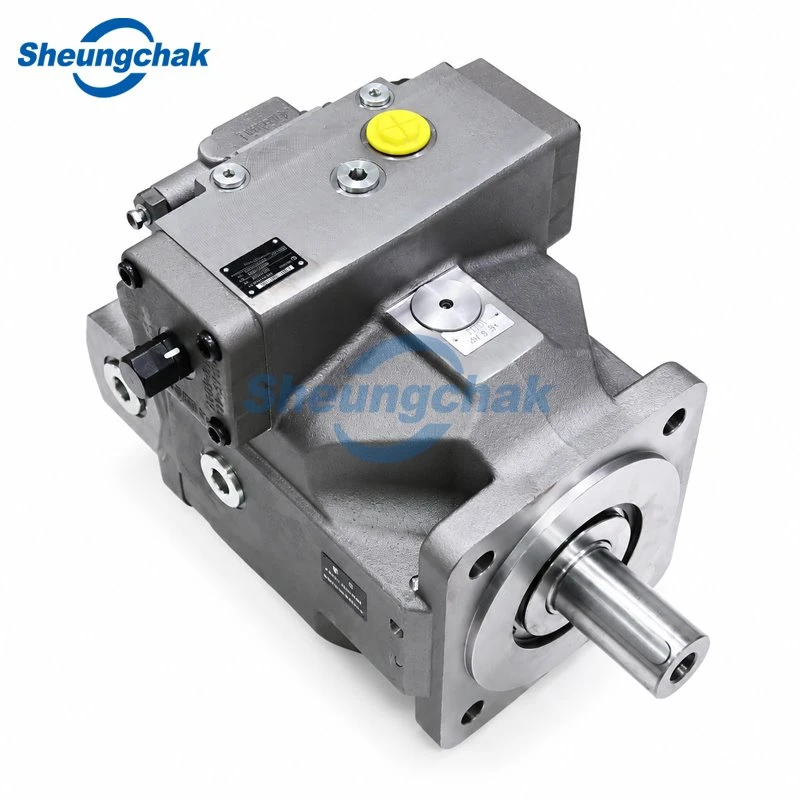
Let me start with a quick backstory: I’ve been selling hydraulic motors for over 12 years now, and I’ve seen way too many folks ignore the sensors on their systems until something goes wrong. A lot of new customers ask me, “Why spend extra on sensors when the motor runs fine without them?” And honestly, I get it — sensors are easy to overlook, especially when you’re focused on the motor itself. But over time, I’ve learned those small parts are what keep a system running smoothly, safely, and efficiently.
First, let’s remember what a hydraulic motor does. It’s the part that converts hydraulic fluid pressure and flow into rotational mechanical power, right? You’ll find them in all kinds of equipment: excavators, lifts, conveyor belts, even ship steering systems. The motor’s job is straightforward, but to make it work reliably, you need to track a few key variables — and that’s where sensors come in.
Let’s start with the big one: pressure sensors. Hydraulic systems operate at really high pressures — sometimes up to 5,000 PSI or more. If the pressure gets too high, that’s a recipe for disaster. Hoses can burst, seals can blow out, and even the motor’s internals can get damaged. A pressure sensor mounts near the motor’s inlet or outlet, and it constantly reads how much pressure’s in the lines. If it spikes above a set limit, the sensor sends a signal to the system’s controller, which either slows down the pump or shuts things off temporarily. I’ve had a couple of customers skip pressure sensors on their excavators, and one time their front hydraulics locked up because of a pressure build-up — they ended up replacing a $2,000 motor instead of a $150 sensor. That’s the kind of mistake I hate seeing, which is why I always make sure to explain pressure sensors early on.
Next up: flow sensors. Hydraulic motors depend on a specific flow rate of fluid to run at the right speed. If there’s not enough flow, the motor will be sluggish — your conveyor belt moves too slow, or your lift can’t reach full height. If there’s too much flow, the motor might spin faster than it’s designed for, wearing out parts way quicker than normal. A flow sensor measures how much hydraulic fluid is moving into the motor each minute. It works with the pressure sensor to keep things balanced. For example, if you’re running a hydraulic motor for a road paver, you need consistent flow to lay down even pavement. The flow sensor ensures the motor’s speed stays steady, so the pavement doesn’t have spots that are too thin or thick. I’ve noticed that customers who run conveyor systems for manufacturing really value flow sensors — they eliminate the guesswork when adjusting motor speeds for different products.
Then there’s temperature sensors. Hydraulic fluid heats up when the system is running, and if it gets too hot, it loses its lubricating properties. That means the motor’s moving parts — like the pistons or gears — will rub together without enough protection, leading to premature wear. A temperature sensor monitors the fluid temperature, usually near the motor’s return line. If it climbs above a safe range (usually around 180 to 200 degrees Fahrenheit), the sensor tells the controller to turn on a cooler or slow down the system. Last summer, a customer of mine had a hydraulic motor for a farm combine — they ignored the temperature sensor, and over three days of harvesting, the fluid got so hot it broke down the motor’s seals. They had to shut down mid-harvest, which cost them thousands in lost time. A $80 temperature sensor would have prevented that whole mess.
Now, let’s talk about position and speed sensors, which are super important for motors that need to move to a specific spot. For example, if you have a hydraulic motor driving a rotary table in a manufacturing plant, you need it to stop at exactly the right place every time. A position sensor tracks the motor’s rotational angle, so it can tell the controller when to slow down and stop. A speed sensor, on the other hand, measures how fast the motor is spinning. That’s key for things like cranes — you don’t want the load to spin faster than it’s supposed to, which could make it swing dangerously. I worked with a crane operator a while back who said his old system would sometimes spin too fast when lifting heavy materials, and he’d have to apply extra brakes manually. Once we added a speed sensor, the system automatically adjusted, and he hasn’t had a safety issue since. Those sensors aren’t just for efficiency — they make the whole thing way safer, especially when heavy loads are involved.
Wait, I should also mention leak detection sensors. Hydraulic systems are prone to leaks, whether it’s from a worn seal, a loose fitting, or a damaged hose. A small leak might not seem like a big deal at first, but over time, it can lead to low fluid levels, which causes the motor to run dry and get damaged. Some sensors are designed to detect hydraulic fluid on the floor or in the equipment’s housing. When they pick up a leak, they send an alert so you can fix it before it becomes a major problem. I had a customer with a fleet of delivery trucks that use hydraulic motors for their lift gates — a small leak on one truck went unnoticed for a month, and it drained all the fluid, burning up the motor. The leak sensor would have saved them from that repair cost.
Let me also clear up a common misconception: some people think sensors just exist to trigger alarms, but they do way more. A lot of modern hydraulic systems use sensor data to optimize performance. For example, if a motor is running at a lower pressure than usual, the sensor might tell the controller that there’s a small leak, so you can schedule a maintenance check during downtime instead of dealing with an unexpected breakdown. That predictive maintenance stuff is a game-changer for businesses — it cuts down on costs and keeps equipment running longer. I recently started offering packages that include basic sensor kits with new hydraulic motors, and the feedback from customers has been great. They say they spend less time fixing emergencies and more time running their operations.
Now, I know some folks might say, “My system works without sensors — why do I need them?” And yeah, if you’re running a small system in a controlled environment, you might get by without them. But once you scale up — whether it’s a bigger excavator, a conveyor system with multiple motors, or equipment that runs 24/7 — sensors become non-negotiable. They’re like the eyes and ears of your hydraulic motor system. Without them, you’re flying blind, hoping things don’t go wrong.
Let me give you a real example from a regular customer of mine. They run a construction company, and they had two excavators — one with sensors, one without. The one without sensors had three breakdowns in a year, each costing over $1,500 in repairs and lost work time. The one with sensors had zero breakdowns related to the motor, and they only spent a couple hundred bucks a year on sensor maintenance. That’s a no-brainer, right?
Another thing I’ve noticed: when customers first buy a hydraulic motor, they often buy the cheapest option, but skimping on sensors ends up costing more in the long run. I always recommend pairing the right sensors with the motor you’re getting — it’s an investment that pays off over time. Plus, modern sensors are way more reliable than they used to be. I’ve been selling them for years, and I can count on one hand the number of times a sensor has failed unexpectedly. They’re built to handle the tough conditions hydraulic systems work in — dirt, vibration, high temperatures — so you don’t have to worry about them breaking all the time.

Let’s wrap this up. The functions of sensors in a hydraulic motor system boil down to five key things: keeping pressure safe, maintaining the right flow, preventing overheating, ensuring accurate speed and position, and catching leaks early. Each sensor plays a small part, but together they make the whole system work better, longer, and safer.
Hydraulic Piston Motor If you’re running equipment with hydraulic motors and you’re not sure if your sensors are up to par, or if you’re considering adding sensors to a new system, I’m here to help. I’ve worked with all kinds of setups — from small conveyors to large industrial machinery — and I can walk you through the best sensors to match your hydraulic motor. Don’t wait until a breakdown costs you time and money to add sensors. Reach out to talk through your needs, and I’ll make sure you get the right setup for your equipment.
References
- Hydraulic Pressure Sensor Basics, Fluid Power Journal, 2022.
- Temperature Monitoring in Hydraulic Systems, Hydraulics & Pneumatics Magazine, 2021.
- Flow Sensor Applications for Industrial Hydraulic Motors, Machinery Handbook, 2023.
- Predictive Maintenance for Fluid Power Systems, International Journal of Hydraulic Engineering, 2020.
- Safety Standards for Hydraulic Motor Systems, OSHA Fluid Power Guidelines, 2022.
Guangdong Sheungchak Hydraulic Technology Co., Ltd.
Guangdong Sheungchak Hydraulic Technology Co., Ltd. is one of the most professional hydraulic motor manufacturers and suppliers in China. We are committed to providing high quality customized products with competitive price. Please rest assured to wholesale durable hydraulic motor for sale here and get pricelist from our factory.
Address: Building 25, Liantang Industrial City, Shangcun Community, Gongming Subdistrict, Guangming District, Shenzhen, China
E-mail: info@hydraulicsc.com
WebSite: https://www.hydraulicsc.com/
